
by Ignacio Diaz | Aug 21, 2026 | Blog
Special Situation Financing in Florida: When Standard Lending Does Not Fit Not every real estate deal fits a bank’s underwriting box. A property with a title complication, a transaction with an unusual structure, a borrower whose financials are strong but not...

by Ignacio Diaz | Aug 19, 2026 | Blog
What Is ARV and How Do Bridge Lenders Use It in Underwriting? If you have spent any time researching bridge loans or real estate investment financing, you have probably encountered the term ARV. It shows up in term sheets, underwriting conversations, and lender...

by Ignacio Diaz | Aug 17, 2026 | Blog
Land Acquisition Financing in Florida: How Direct Lenders Structure Land Loans Land financing is one of the most misunderstood and underserved categories in Florida real estate lending. Developers and investors who have successfully financed improved properties are...

by Ignacio Diaz | Aug 10, 2026 | Blog
Commercial vs. Residential Real Estate Financing: Key Differences Explained If you have financed a home before, you already know how residential lending works: documentation-heavy, process-driven, and built around your personal income and credit profile. Commercial...
by Ignacio Diaz | Aug 7, 2026 | Blog
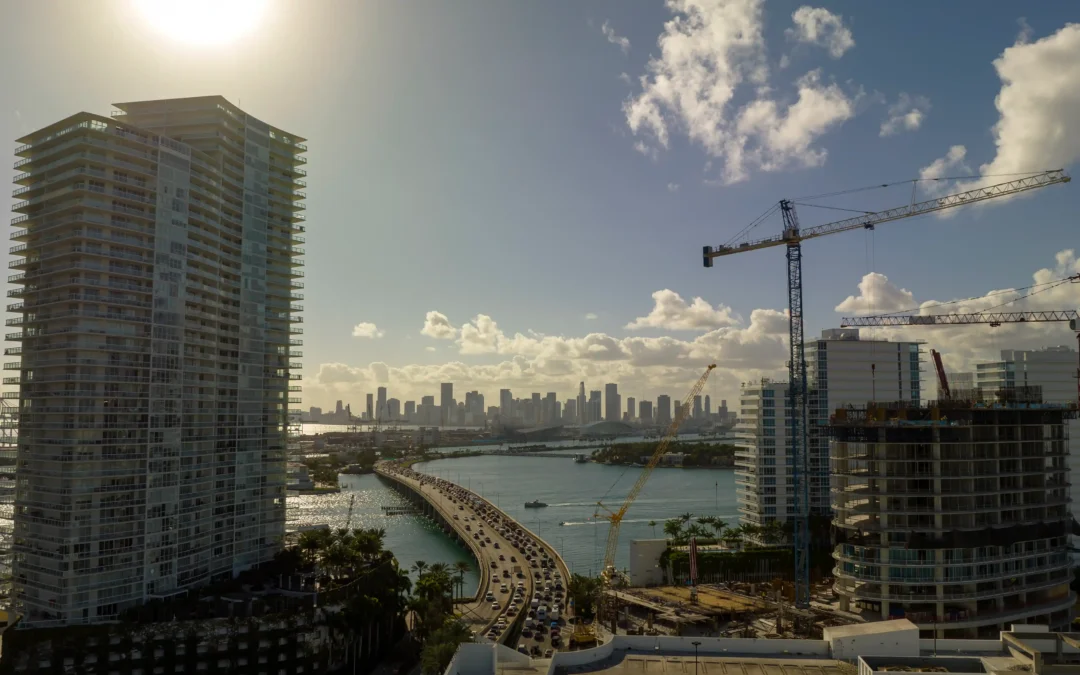
Ground Up Construction Financing: What Developers Need to Know Building from scratch is a different game than acquiring and repositioning an existing asset. The capital structure, the underwriting logic, and the execution risk are all different. Ground up construction...

by Ignacio Diaz | Aug 5, 2026 | Blog
How to Close a Bridge Loan in Florida in Under 30 Days Yes, it may be possible to close a bridge loan in Florida in under 30 days when the borrower is prepared, the deal is straightforward, third-party diligence moves quickly, and title, insurance, valuation, and...